Dental Implants California: A Comprehensive Guide
This guide offers an in-depth exploration of dental implants in California. Dental implants provide a long-lasting solution for missing teeth by anchoring artificial teeth directly into the jawbone. With a focus on the affordability and accessibility of options in California, this article discusses the benefits and cost-effective methods available for dental implants.

The Basics of Dental Implants
Dental implants are artificial tooth roots designed to provide a stable foundation for fixed or removable replacement teeth. They are made to blend seamlessly with your natural teeth, offering a strong and durable solution for individuals who have lost teeth due to injury, periodontal disease, or other dental issues. This advanced dental technology not only restores functionality but also enhances aesthetic appearance, allowing individuals to regain their confidence. The implant itself is typically composed of titanium, a biocompatible material known for its strength and ability to integrate with the jaw bone through a process known as osseointegration. This integration is crucial, as it creates a stable anchor for the artificial tooth.
Moreover, dental implants can significantly improve the quality of life for patients. They facilitate better chewing and speaking, and their placement prevents the bone loss that can occur after tooth loss. Unlike dentures, which can slip and cause discomfort, dental implants function just like natural teeth. With proper care, which includes regular dental check-ups and good oral hygiene practices, dental implants can last many years, often for a lifetime.
The Rise of Dental Implants in California
Over recent years, California has emerged as a prominent hub for dental implant procedures. This rise can be attributed to several factors, including the growing population and increased awareness about oral health. The state boasts a plethora of qualified dental professionals and clinics dedicated to providing high-quality dental care, making it a leading destination for individuals seeking implant treatments. Many of these clinics invest in the latest dental technologies, offering innovative solutions that enhance patient outcomes.
The combination of advanced technology, experienced practitioners, and competitive pricing creates a vibrant market for dental implants in California. Patients can choose from various clinics that may offer financing options or discounts for certain demographics, such as seniors or veterans. The competitive nature of dental services in California encourages clinics to uphold high standards, making dental implant procedures more accessible than ever.
Additionally, California's diverse cultural landscape leads to varying needs and preferences in dental aesthetics, prompting dental implant practices to tailor treatments to meet the individual desires of patients. From choosing custom tooth shades to exploring different types of implant materials, patients are empowered to make informed decisions about their dental health.
Comparing Affordable Implant Options
| Feature | Details |
|---|---|
| Comprehensive Information | Offers insights into features, benefits, and costs associated with dental implants. |
| Diversity of Treatments | Covers a full range of treatment options, including mini implants, full-mouth restorations, and zygomatic implants which can provide alternatives for those who have lost a significant amount of jawbone. |
| Technological Advancements | Utilizes state-of-the-art imaging and diagnostic tools such as 3D imaging and computer-guided implant placement to enhance precision and outcomes. |
| Patient Financing Plans | Options available that allow patients to break down costs into manageable monthly payments, making dental implant treatment more attainable. |
| Insurance Collaboration | Many clinics work directly with dental insurance providers to help patients maximize their benefits, creating a more affordable pathway to obtaining necessary dental work. |
source: Dental Views
How to Obtain Low-Cost Dental Implants
Obtaining dental implants at a reduced cost in California requires strategic planning. One of the first steps is to explore different dental insurance options. Some plans may cover a portion of the costs associated with dental implants, particularly if they are deemed medically necessary. It's important to understand the specifics of coverage and the benefits offered by various insurance providers to maximize financial assistance.
Another avenue for cost savings is seeking clinics that offer competitive pricing or flexible payment plans. Many dental offices understand that out-of-pocket expenses can be daunting for patients, so they provide financing options to help alleviate financial burdens. These plans might allow patients to spread out payments over time, making it easier to manage costs without a significant upfront investment.
Additionally, dental schools often offer lower-cost services to patients as part of their educational programs. These schools provide a platform for dental students to gain hands-on experience under the supervision of experienced faculty members. While services may take longer and involve treatment by students, they are typically offered at a fraction of the cost of standard dental practices.
Patients can also stay updated on local promotions or discounts. Some clinics may offer seasonal deals or special offers that can significantly reduce the overall cost of dental implants. Online reviews and patient testimonials can also guide potential clients toward budget-friendly practices without compromising quality.
Cost Range for Dental Implants in Local Areas
| Country | Currency | Price Range |
|---|---|---|
| United States | USD | $3,000 - $6,000 |
| Canada | CAD | CA$3,000 - CA$5,500 |
| United Kingdom | GBP | £2,000 - £2,500 |
| Australia | AUD | A$3,500 - A$7,000 |
| New Zealand | NZD | NZ$3,200 - NZ$6,500 |
Understanding the Factors Influencing Implant Costs
The cost of dental implants can vary widely based on several factors. Understanding these can help patients plan and budget accordingly. Key factors include:
- Type of Implant: Different types of dental implants, such as traditional implants, mini implants, and zygomatic implants, have varying costs due to the complexity of the procedure and materials used.
- Location: The geographical location of a dental practice can greatly influence the price. Urban areas often have higher living costs, which can translate into higher prices for dental services.
- Material Quality: The quality of materials used, from the titanium alloy in the implant to the type of crowns placed on top, can also affect the overall cost. High-quality materials often come at a premium but can lead to better long-term outcomes.
- Extra Procedures: Costs may rise for patients who require additional dental work before implant placement, such as bone grafts or sinus lifts, which are needed to ensure adequate support for the implants.
FAQs
Q: What are the advantages of dental implants?
A: Dental implants offer numerous advantages, including:
- The natural appearance and functionality similar to that of real teeth.
- Enhanced aesthetic appearance, giving individuals a boost in self-confidence.
- Improved speech, as patients no longer have to worry about dentures slipping.
- Better comfort than traditional removable dentures, as they do not need to be taken out or adjusted.
- Prevention of bone loss that often occurs with missing teeth, preserving oral health.
- Long-lasting durability, with proper care ensuring longevity.
Q: Is everyone a candidate for dental implants?
A: While dental implants can be suitable for many, several factors determine candidacy:
- Healthy gums and sufficient jawbone density are crucial supports for the implant. If bone loss has occurred, additional procedures may be needed.
- Individuals should be in good overall health, as certain medical conditions can affect healing.
- Patients who smoke or have diabetes may need additional consultations to ensure safe implant placement.
A thorough evaluation including X-rays and a comprehensive dental exam by a qualified professional is essential to determine an individual's suitability for implants.
What to Expect During the Implant Procedure
Understanding the dental implant procedure can help ease some anxiety patients may feel about the process. Here's a breakdown of what to expect during each stage:
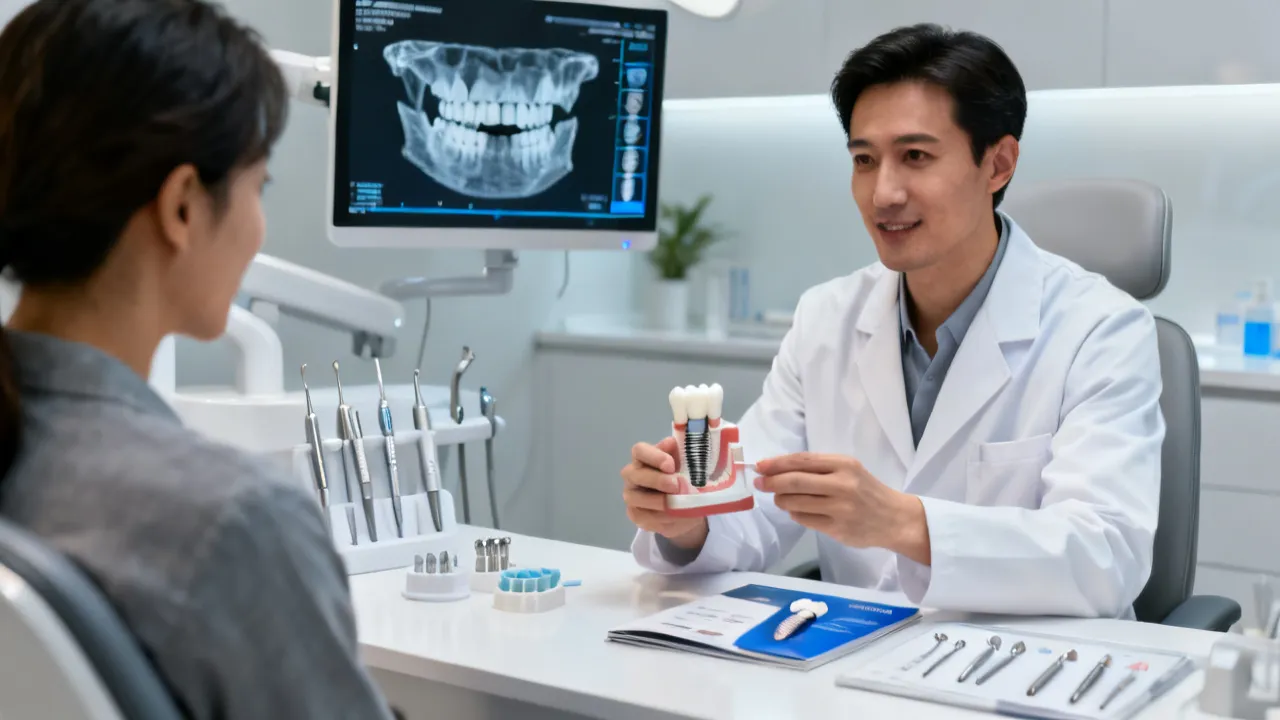
- Initial Consultation: The journey begins with a consultation. During this appointment, the dentist will assess your oral health, take X-rays, and discuss your medical history and treatment options.
- Treatment Planning: If implants are suitable, the dentist will create a detailed treatment plan that may include consultations with specialists, like an oral surgeon, if necessary.
- Implant Placement: The implant surgery typically involves placing the titanium post into the jawbone. Local anesthesia or sedation is usually administered to ensure comfort. After placement, patients may experience some swelling or discomfort, which can be managed with over-the-counter pain relief.
- Healing Period: Osseointegration occurs over the next few months, during which the implant fuses with the jawbone. Regular follow-ups help monitor the healing process.
- Abutment Placement: Once healing is confirmed, an abutment is attached to the implant, which serves as the connection between the implant and the crown. This procedure may require local anesthesia.
- Crown Placement: Finally, a custom-made crown is affixed to the abutment, completing the process. The crown is designed to match the color and shape of surrounding teeth, ensuring a natural look.
Maintaining Dental Implants for Longevity
After successfully undergoing dental implant surgery, maintenance is key to ensuring the longevity of implants. Patients should adopt a diligent oral care routine that includes:
- Regular Cleaning: Just like natural teeth, dental implants require regular brushing and flossing to prevent plaque build-up and ensure optimal oral hygiene.
- Routine Dental Visits: Regular check-ups with a dental professional will allow for monitoring the health of the implants and surrounding gum tissue. These appointments are vital for catching any potential issues early.
- Avoiding Harmful Habits: Smoking can significantly impact healing and overall implant success. It's advisable for patients to quit smoking or avoid tobacco use to promote better oral health.
- Healthy Lifestyle: A balanced diet rich in vitamins and minerals can help bolster gum health, which is crucial for maintaining implants. Hydration is also important for saliva production, which aids in oral health.
Conclusion
In conclusion, securing dental implants in California requires careful consideration of the various available options. With numerous pathways for access, including dental insurance, lower-cost clinics, and innovative payment plans, patients are empowered to make informed decisions that align with their health needs and financial circumstances. It’s crucial to consult with a certified dental professional who can provide tailored guidance throughout the entire process.
Benefits of dental implants go beyond mere tooth replacement; they offer a comprehensive solution to oral health challenges that can impact daily life. With growing advancements in dental technology and increasing competition among dental care providers, the future of dental implants appears promising, especially for patients in search of efficient and aesthetically pleasing solutions for tooth loss.
Disclaimer
1). The above information comes from online resources, and the data is as of October 2023.
2). Dental implant prices are for reference only and may vary by region, clinic, and doctor.
References: