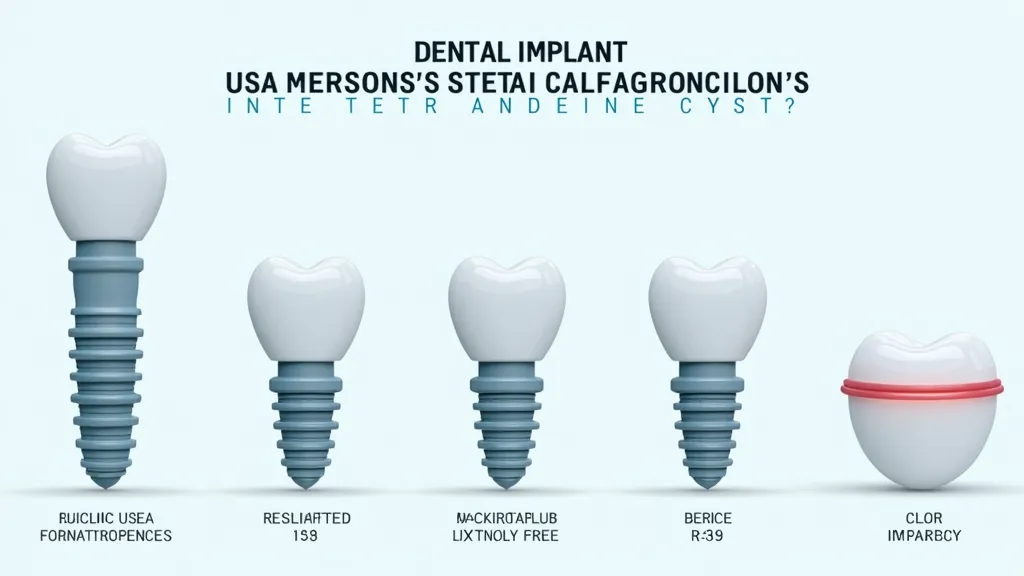
Affordable Dental Implants Overview
This guide provides insights into securing affordable dental implants across different regions. Dental implants are a crucial oral health solution, allowing individuals to replace missing teeth with long-lasting alternatives. This piece explores various cost-effective dental implant options available through global providers, focusing on services and price ranges for English, Spanish, and Portuguese-speaking markets.
Understanding Dental Implants
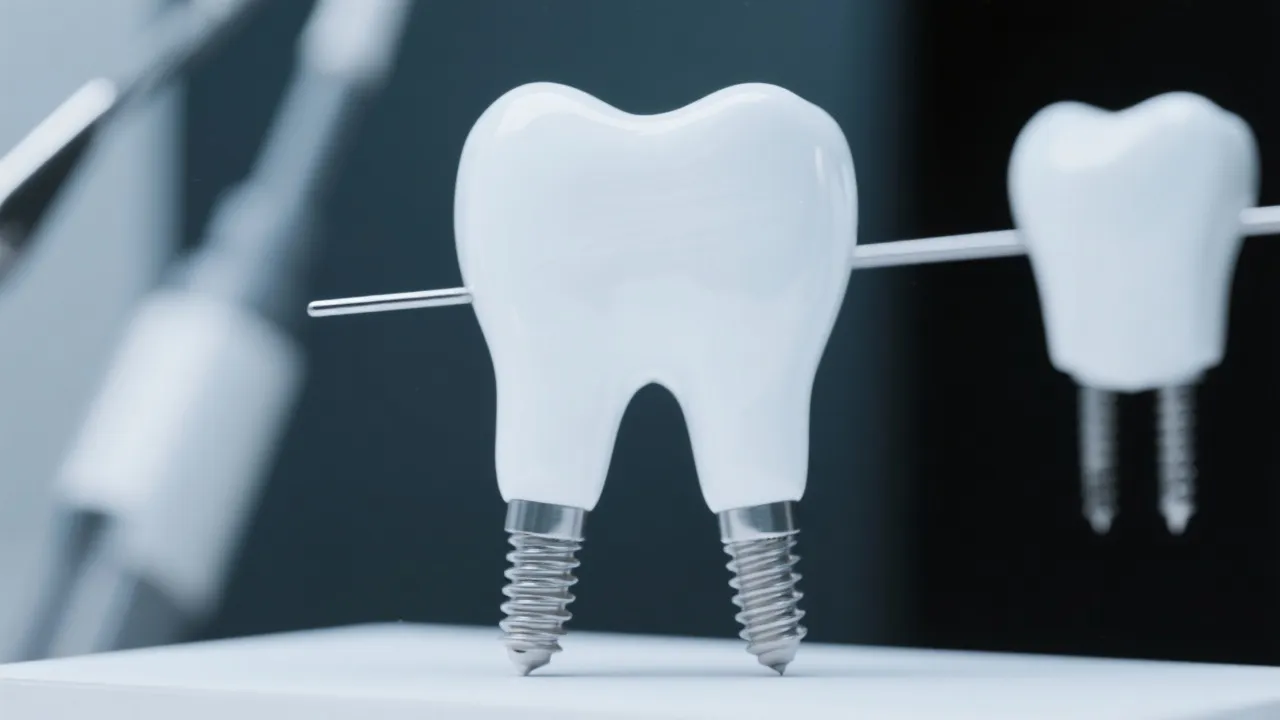
Dental implants are revolutionary in dental care, offering a durable, natural-looking solution for missing teeth. They integrate with jaw bone to provide stable support, similar to natural roots. Beyond their aesthetic benefits, dental implants contribute to better oral health by preventing bone loss and maintaining facial structure. This integration into the jawbone is what sets dental implants apart from other tooth replacement options, such as dentures or bridges. With a success rate of 95% or higher, dental implants have proven to be a reliable choice for many patients seeking to restore their smile and function.
Exploring Low-Cost Dental Implant Options
As the demand for dental implants rises, so does the necessity to find affordable solutions. This demand has given rise to several service providers that cater to budget-conscious patients without compromising quality. In this section, we compare some leading platforms that facilitate low-cost dental implants in English, Spanish, and Portuguese-speaking regions.
| Provider | Specialization | Notable Features |
|---|---|---|
| Dental Views | Dental Implants | Low-cost implant solutions with detailed process insights. |
| Atlantic Dental Group | General Dentistry | Comprehensive services from orthodontics to emergency care. |
| DentaVacation | Dental Tourism | Savings on treatments via international travel arrangements. |
Source: Dental Views, Atlantic Dental Group, DentaVacation
Comparative Cost Analysis for Dental Implants
Dental implant costs can significantly vary depending on geography. Below is an overview of costs associated with individual implants across selected regions:
| Country | Currency | Price Range |
|---|---|---|
| United States (US) | USD | $3,000 - $6,000 |
| United Kingdom (GB) | GBP | £2,000 - £2,500 |
| Brazil (BR) | BRL | R$3,000 - R$8,000 |
| Spain (ES) | EUR | €1,500 - €2,500 |
Navigating Affordable Dental Implant Options
Securing dental implants at a reduced cost often involves regional research and exploring cross-border treatment opportunities available via dental tourism. Here are the necessary steps:
- Identify dental clinics offering affordable options. Websites like DentaVacation are valuable for international treatment planning.
- Review and compare specific provider offerings, noting procedure details and associated risks. Research patient reviews and testimonials to get a sense of the quality of care.
- Consider local insurance coverage to mitigate costs. Some insurance plans may offer partial reimbursements for dental implants.
- Manage travel expenses if electing for treatment abroad, ensuring dental packages include logistics for ease of process. Look for clinics that offer all-inclusive packages that cover accommodation and local transport.
- Follow up with your home dentist post-treatment to ensure ongoing care is monitored and any complications are addressed promptly.
FAQs
- What are dental implants? Dental implants are metal posts implanted into the jawbone, often used to replace missing teeth. They serve as a permanent foundation for fixed, replacement teeth that are made to match your natural teeth.
- How long do dental implants last? With proper care, dental implants can last a lifetime; however, prosthetic crowns might require replacement over time due to wear and tear.
- Are dental implants painful? The procedure is performed under anesthesia, with most patients reporting minor discomfort post-surgery. Pain management techniques are provided to ensure a comfortable recovery.
- Can anyone get dental implants? Most adults can receive implants unless they have certain health issues that affect healing, like uncontrolled diabetes or severe gum disease.
- What is the recovery time for dental implants? Initial healing may take 1-2 weeks, but complete integration and healing can take several months depending on individual health factors.
- How do I care for dental implants? Caring for dental implants involves regular brushing and flossing, just like natural teeth, along with routine dental check-ups.
Conclusion
Diverse options exist for obtaining affordable dental implants, with numerous providers catering to budgetary constraints. Patients are encouraged to thoroughly research and consult with professionals to select the best path tailored to personal needs, ensuring optimal dental health outcomes. Implementing a proactive approach not only assists in minimizing costs but also helps in ensuring a positive experience throughout the treatment process.
The Importance of Dental Implants Beyond Aesthetics
Dental implants offer benefits that extend beyond merely enhancing the appearance of one’s smile. While aesthetics are critical, patients often overlook the significant functional and health-related advantages. For instance, dental implants help maintain the integrity of jawbone structure. The pressure exerted by chewing and biting helps stimulate bone growth and tissue health. Without this stimulation, the jawbone can deteriorate over time, leading to potential health issues and changes in facial aesthetics.
Another critical benefit is improved oral function. Patients who opt for dental implants typically report enhanced ability to chew food, experience less discomfort while eating, and regain confidence in their oral function. Unlike removable dentures, which can slip and cause discomfort or embarrassment, implants remain securely anchored within the jawbone, allowing individuals to eat a wider variety of foods and speak without concern.
The Process of Getting Dental Implants
The journey to acquiring dental implants can be broken down into several essential steps, which patients should be well-informed about before proceeding:
- Consultation: The initial step involves a thorough consultation with a dental specialist. During this appointment, the dentist will assess the patient's oral health, discuss medical history, and determine if implants are a suitable option.
- Imaging: Dentists will typically use X-rays or 3D imaging to provide a detailed picture of the patient’s jawbone and surrounding structures. This imaging helps in planning the exact placement of the implants.
- Preparation: If necessary, preparatory treatments may be undertaken, such as addressing gum disease or increasing bone density through grafting procedures prior to implant placement.
- Implant Placement: The dentist will surgically place the implant into the jawbone. After this procedure, a healing period of a few months is typically required to allow the implant to fuse with the bone through a process known as osseointegration.
- Abutment Placement: Once healed, a small connector piece, called an abutment, is attached to the implant. This acts as a base for the crown.
- Crown Placement: Finally, a custom-designed crown is affixed to the abutment, completing the restoration that mimics the appearance and function of a natural tooth.
Common Concerns and Misunderstandings About Dental Implants
Potential patients often accumulate numerous inquiries and anxieties leading up to various dental procedures. Dental implants are no exception. One pervasive concern is the misconception that dental implants are universally painful or overwhelming. It's essential to clarify that, like any surgical procedure, discomfort can vary among individuals, but modern techniques and anesthesia significantly mitigate pain during and after the process.
Moreover, some patients might worry about the healing time post-surgery. While it is true that the body requires time to heal and integrate the implant, many report that the discomfort during recovery is manageable. Routine follow-ups and proper aftercare significantly enhance the healing process.
Lastly, a common misunderstanding revolves around the longevity and maintenance of dental implants. While implants are designed to last for many years, patients must commit to a diligent home care routine, including regular brushing and flossing, to ensure the longevity and health of both the implants and surrounding tissues.
The Future of Dental Implants
As technology and techniques evolve, the future of dental implants looks promising. Innovations such as mini implants, advanced imaging techniques, and materials have improved the accessibility and effectiveness of implant procedures. Furthermore, developments in dental technology, including 3D printing of crowns and specialized healing aids, continue to enhance patient outcomes.
Research into the integration of biocompatible materials could potentially allow for even quicker healing times and better success rates. As more studies emerge, dental professionals are poised to offer more refined solutions that combine enhanced functionality with improved aesthetic outcomes.
Final Thoughts on Dental Implants
In summary, dental implants offer an unparalleled solution for tooth loss, merging function with aesthetic appeal. For those considering this restorative option, thorough research and consultation with qualified dental professionals are vital in determining the best course of action. Regardless of geographic location or financial constraints, affordable and effective pathways to dental implants exist. Engaging in an ongoing relationship with dental care providers ensures that individuals can successfully navigate the complexities involved in the dental implant process, leading to healthier smiles for years to come.
Disclaimer: The above information reflects online resources as of October 2023. Dental implant prices are for reference only and may vary by region, clinic, and doctor.
Source Links: Dental Views, Atlantic Dental Group, DentaVacation
-
1

Understanding Wrongful Repossession Cases
-
2
The Sleek New Ford Bronco: Transforming a Classic into a Contemporary Masterpiece
-
3
Discover the Secrets to Transforming Your Modular Home into an Eco-Wonder: Ultimate Energy Efficiency Awaits!
-
4
Navigating Low-Interest Personal Loans
-
5
Everything You Need to Know About Full Mouth Dental Implants